The guest experience starts long before check-in, welcome drinks or service. For many hospitality venues, it begins in the car park.
That first interaction often shapes how the entire visit is perceived, particularly during busy periods. Thoughtfully managed parking creates a sense of ease on arrival, allowing the guest experience to unfold naturally.
Across the UK, hospitality operators are rethinking parking management. Providers such as Intelli-Park are helping hotels, pubs and restaurants protect spaces for genuine guests, streamline arrivals, and turn parking into a positive first impression rather than a point of friction.
Yet hospitality sites still face increasing pressure on their parking facilities. Prime locations attract non-guests seeking a convenient place to park. Peak trading periods test capacity and flow. EV bays, accessible spaces and drop-off areas require careful stewardship to remain available for those who need them. Without the right approach, even the most elegant venue can begin a guest journey with unnecessary uncertainty.
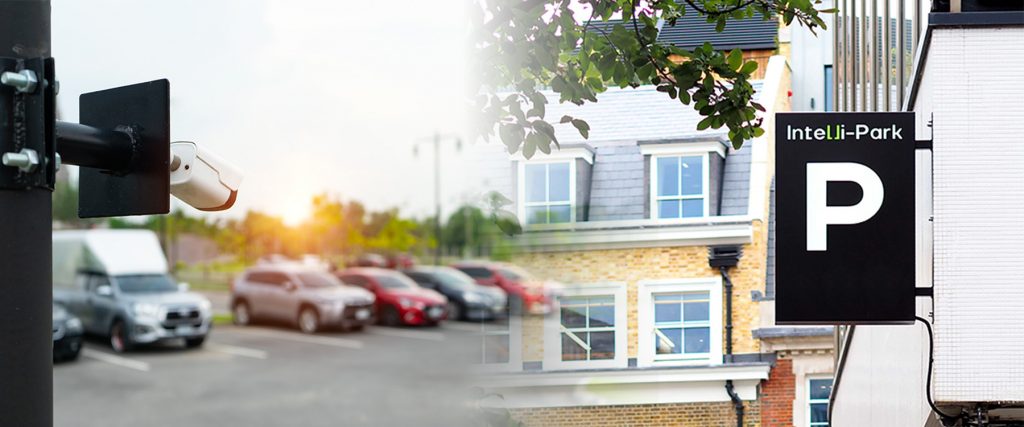
The shift underway reflects a more refined view of parking, one that prioritises flow, clarity and ease over reactive enforcement. Intelli-Park partners with hospitality operators to deliver parking solutions designed specifically for guest-facing environments. With more than 25 years of experience across thousands of UK sites, the focus is on creating parking systems that feel seamless, fair and easy to navigate for both guests and staff.
Full-site monitoring allows parking to be managed with a light, unobtrusive touch. Solutions such as eCam and View360 provide a quiet, continuous view across the entire site, supporting smooth arrivals. From entrances and exits to priority bays, EV chargers, valet areas and no-parking zones, activity is overseen discreetly in real time. This approach brings consistency and reassurance across larger, multi-area or high-traffic settings, helping preserve availability for guests while maintaining a calm, refined atmosphere.
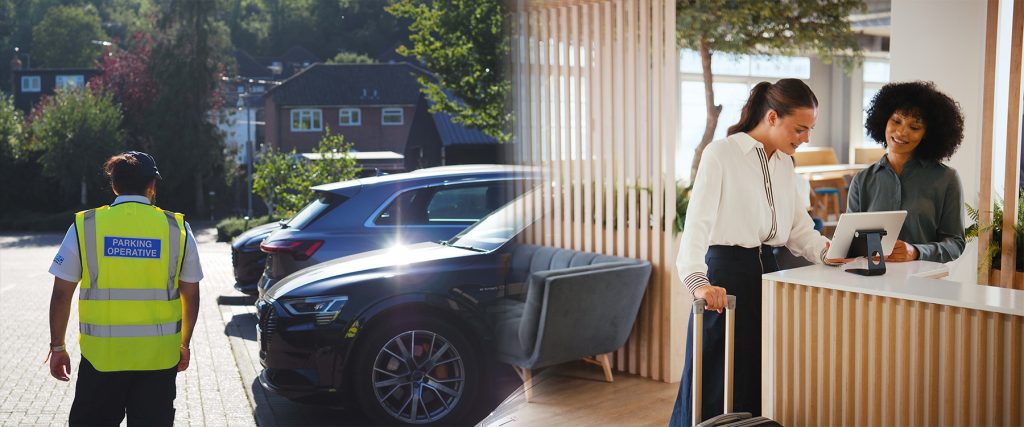
For guests, arrival should feel intuitive and welcoming. Digital vehicle validation systems allow visitors to confirm their stay quickly and securely, whether at reception, through booking communications or via simple on-site touchpoints. The process is simple and efficient, removing queues, reducing uncertainty and ensuring genuine guests can park with confidence. Front-of-house teams are freed to focus on hospitality rather than troubleshooting guest arrivals.
Parking As a Refined Revenue Stream
For many hospitality venues, parking is also an underused asset.
During quieter periods, pre-booking allows venues to make careful use of available spaces without affecting guest access. Existing capacity can support additional income while remaining available when demand increases. Availability can be adjusted easily to reflect trading patterns and seasonal flow.
Clear rules and consistent monitoring also protect revenue during peak times. Preventing unauthorised use and overstays ensures spaces remain available for paying guests and diners, supporting turnover and reducing missed opportunities. Revenue is safeguarded quietly and fairly, without placing additional pressure on staff or guests.
The result is a parking operation that complements the wider commercial strategy of the venue, contributing value while maintaining a premium, welcoming feel.
Hospitality operators adopting integrated parking management consistently report smoother arrivals, fewer interruptions for front-of-house teams and more predictable site flow. When access, priority bays and compliance are managed quietly in the background, parking issues stop reaching reception desks and host stands. Staff are freed from resolving exceptions and can focus fully on welcoming guests and delivering service.
This consistency becomes especially valuable during peak periods. Clear oversight and real-time insight help teams prepare for busy weekends, events and seasonal surges with confidence, reducing last-minute pressure and operational uncertainty. The arrival experience remains calm, even when demand is high.
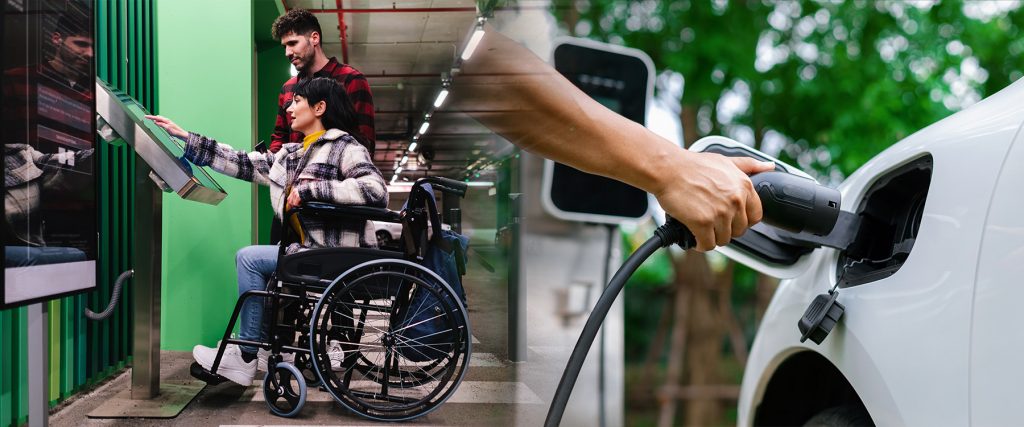
Well-managed parking also supports broader priorities. EV bays remain accessible for electric vehicle drivers. Reduced congestion improves safety and circulation. Data-led planning enables venues to adapt over time without unnecessary infrastructure changes, supporting long-term sustainability goals.
In a competitive market, parking plays a meaningful role in shaping brand perception, operational performance and the overall guest journey.
For hospitality venues committed to delivering refined, high-quality experiences at scale, thoughtful parking management delivers a clear operational benefit: fewer distractions for staff, smoother arrivals for guests, and a consistently controlled environment from the moment they arrive.